


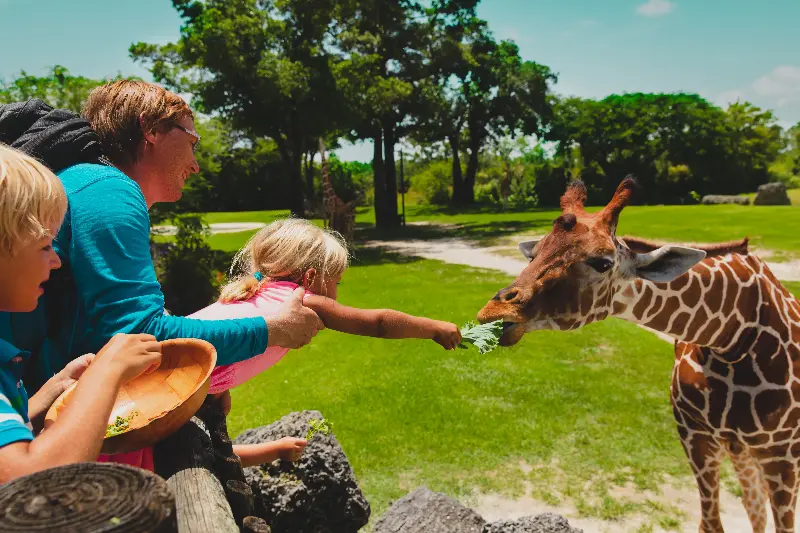
What if the zoo of tomorrow wasn’t a site for confining animals, but a sanctuary where wildness is vigilantly protected? Step through the entrance of nearly any contemporary zoo, and you’ll sense it right away: the lively buzz of children, the rich aroma of hay and moist earth, and the subtle excitement of being mere feet from a creature you’ve only ever known through a glass screen. Yet beneath the cotton candy and keepsake mugs, a profound shift is underway—one that might define the destiny of wildlife across our world.
This is no longer a story of cages; it is the true narrative of the evolution of the zoo.
FROM MENAGERIES TO MISSIONS
Historically, zoos were built for amusement. Animals served as prizes, oddities, and symbols of colonial prestige. Today, the world’s top-tier facilities have undergone a radical identity shift, viewing themselves as protectors rather than hoarders. The majority of accredited institutions now operate with three non-negotiable pillars:
- Conservation: Actively breeding threatened species and supporting grueling fieldwork in the animals' native ranges.
- Education: Transforming casual passersby into knowledgeable, lifelong champions for wildlife.
- Scientific Research: Examining animal behaviors and health in controlled settings to better safeguard dwindling wild populations.
When you observe a red panda dozing in the shadows or a Sumatran tiger stalking its domain, you aren't just looking at an exhibit. You are witnessing a living safeguard against total extinction.
THE UNSEEN EFFORTS BEHIND THE SCENES
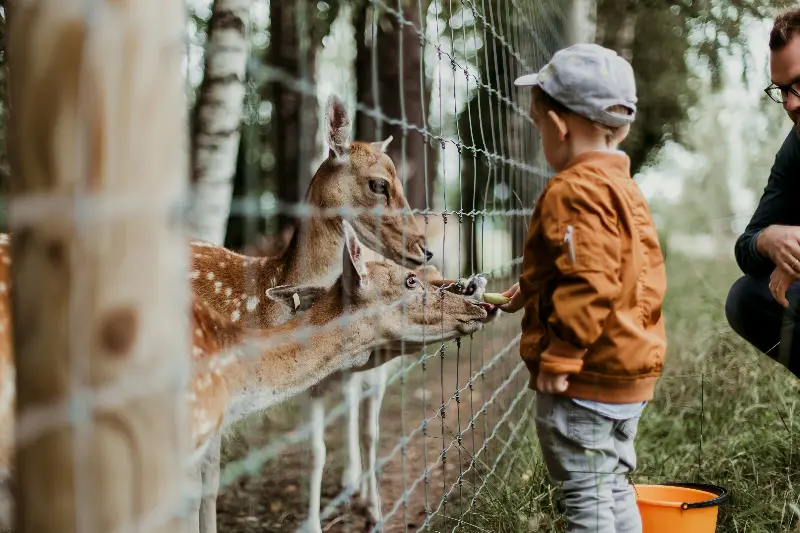
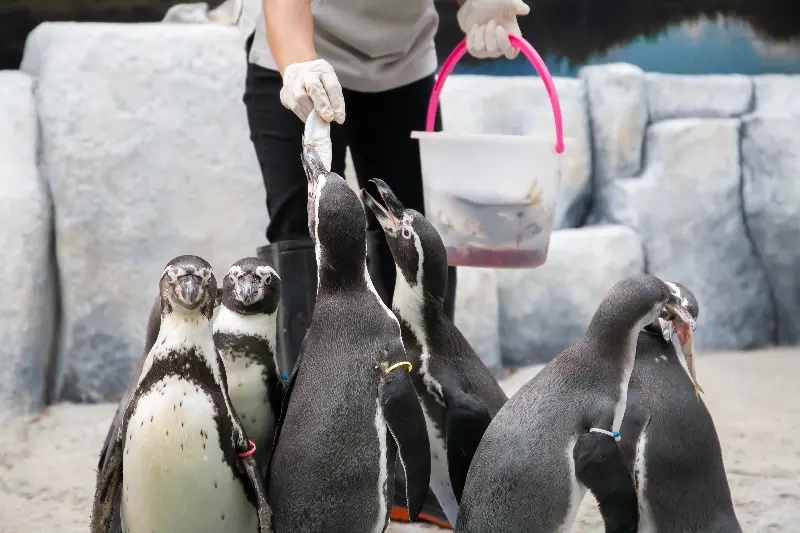
Away from the visitor paths and colorful concession areas lies a concealed realm of overnight feedings, intricate veterinary treatments, and strategic genetic foresight. This "back-of-house" world is where the real work happens. For every animal visible to the public, there exists a massive administrative and medical infrastructure:
- A Comprehensive Welfare Strategy: This includes precision nutrition, sensory enrichment, and psychological engagement to mimic wild challenges.
- A Genetic Blueprint: Especially for endangered species, zoos manage "Studbooks" to ensure genetic diversity and prevent the pitfalls of inbreeding.
- A Narrative Mission: Every individual animal has a background—its origins, its purpose within the facility, and its specific role in a broader global initiative.
The most ethical zoos now function more like rescue operations and high-tech research laboratories than traditional amusement parks, even if that technical side rarely makes it to a visitor's social media feed.
THE ETHICAL DILEMMA WE MUST CONFRONT
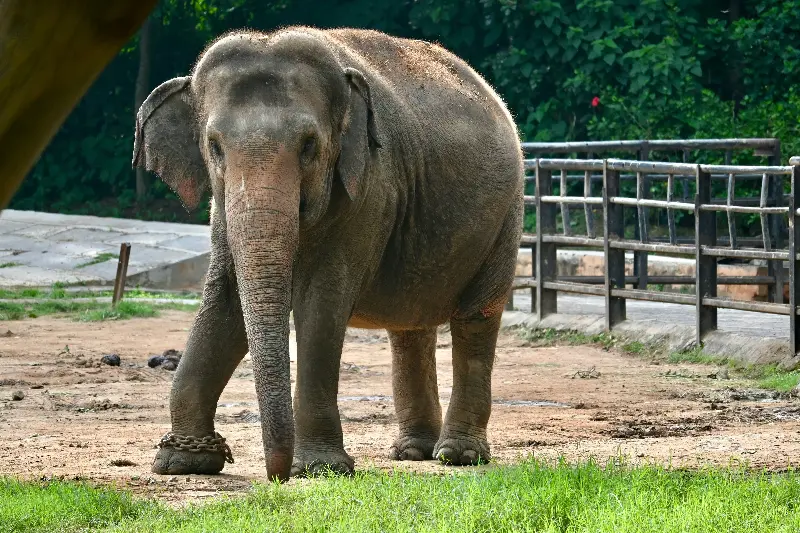
Even with these advancements, the contemporary zoo carries an unresolved moral conflict. We cannot ignore the "elephant in the room"—sometimes quite literally. Critics and supporters alike continue to grapple with difficult questions:
- Is it ethical to confine highly intelligent, far-roaming animals—like elephants or orcas—regardless of the enclosure's size?
- Can even the finest artificial habitat ever truly replicate the wild’s chaotic unpredictability?
- Do the long-term gains in species conservation excuse the immediate reality of individual captivity?
These debates have sparked tectonic shifts in the industry. We are seeing larger, more naturalistic enclosures, the total removal of choreographed performances, and the retirement of certain species from zoo life altogether. There is an increasing focus on animal autonomy—the idea that an animal should have the right to withdraw from public sight, manage its own social space, and perform innate, uncoerced behaviors.
YOUR ADMISSION AS AN ACT OF ADVOCACY
A zoo visit might seem like mere family entertainment, but your decisions as a consumer carry greater weight than you realize. To be a "conscious" visitor, you must look beyond the gates. Seek out certified facilities that uphold rigorous welfare criteria (such as AZA or WAZA accreditation). Look for clear labels detailing exactly where the zoo’s money goes and how they contribute to the survival of the species in the wild.
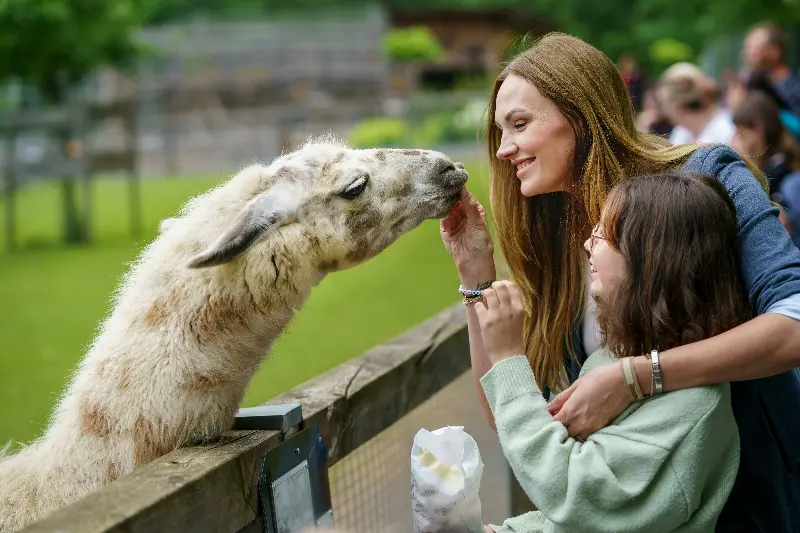
When you linger at a display reading about habitat destruction, or when a child departs wondering, “What can we actually do to help?”, the zoo has achieved its highest purpose. It has successfully sparked concern from curiosity.
A SPACE STRADDLING TWO REALMS
In numerous respects, the modern zoo occupies a delicate, almost impossible intermediary position: it is part refuge, part schoolroom, and part reflection of our fractured bond with the natural world.
Perhaps the greatest gift a zoo offers isn’t merely a close-up view of a lion, but a subtle, provocative query: If these sanctuaries become the sole remnants of the wild for coming generations, what are we willing to commit to today to ensure that doesn't happen? The answer lies in how we support these institutions—and how we demand they continue to evolve.