


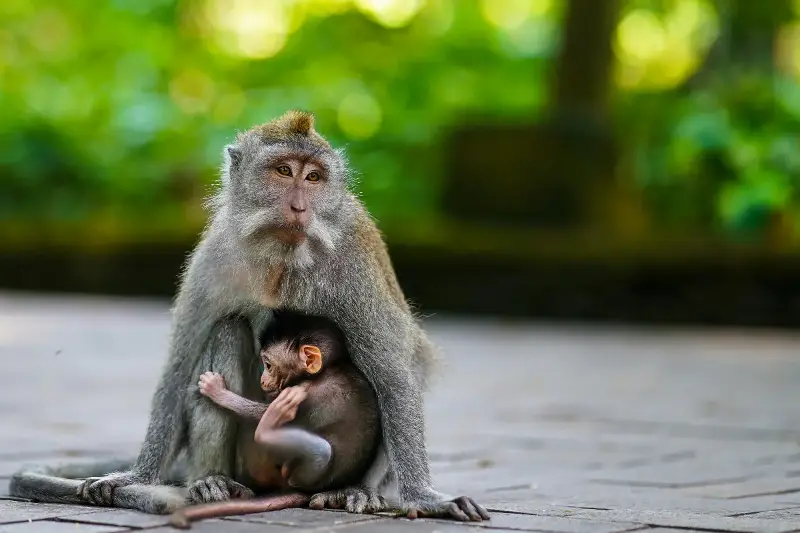
What if the nearest reflection of our behavior wasn’t a fellow human, but a monkey observing us from the forest’s fringe?
Monkeys often become comic relief in cartoons and companions in adventure films. Yet beneath the humor and viral videos hides a profound reality: these creatures are strategists, nurturers, politicians, and problem-solvers—and they might grasp more about us than we know.
Let’s enter their realm.
Beyond pranks: the clever monkey brain
Observe a troop of monkeys for just a few minutes, and a clear pattern appears: they are always thinking, experimenting, learning.
From capuchins in South America to macaques in Asia, monkeys are recognized for:
- Tool use – smashing nuts with stones, employing sticks to extract food, even rinsing gritty potatoes prior to eating
- Memory and planning – recalling food tree locations across seasons
- Deception – issuing false alarm calls to drive rivals from food, or concealing prized treats from group leaders
These aren’t mere flukes. They indicate sophisticated intelligence and social savvy, honed by existence in close-knit groups where each action counts.
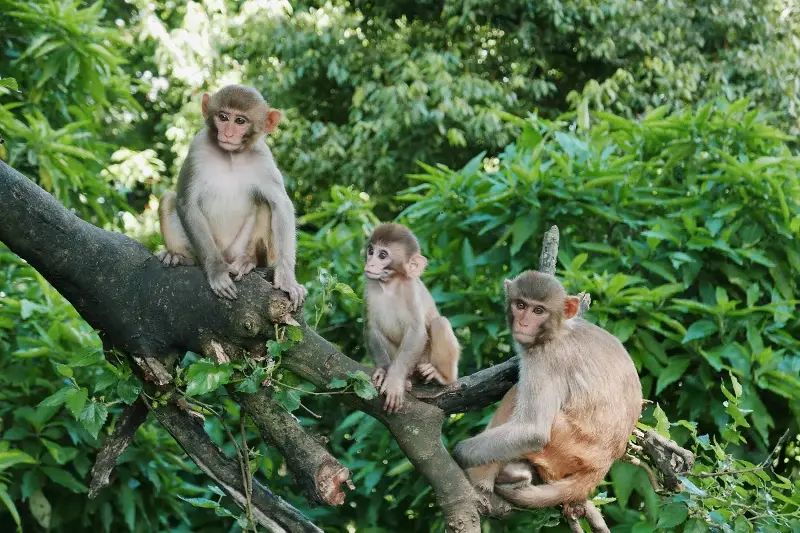
Forest intrigue: within the troop
Monkeys don’t simply coexist. They bargain, vie, make peace, and build coalitions in manners that seem eerily recognizable.
In numerous species, a troop is sustained by:
- A leading male or female who enforces order
- Tiers of supporters, competitors, and climbers awaiting their moment
- Mothers, sisters, and kin who create enduring ties
Grooming rituals, for example, go beyond cleanliness. They’re currency. By picking the ideal ally to groom at the perfect moment, a monkey secures safeguarding, food rights, or backing in the upcoming clash.
It’s a realm of subtle deals and discreet reprisals—a social web predating social media.
Inquisitive, daring, and occasionally overly near
Monkeys are inherently inquisitive, and that drive has drawn them to the brink of human existence.
You’ll spot them:
- Pillage farms and markets for quick bites
- Figuring out that tourists bring food, cameras, and occasional disorder
- Adjusting to urban settings, wires, and roofs like extensions of the wild
This proximity excites, yet it’s hazardous too. Feeding wild monkeys, say, can render them reliant, hostile, and prone to illness. Our captivation with them makes sense—but it carries duties.
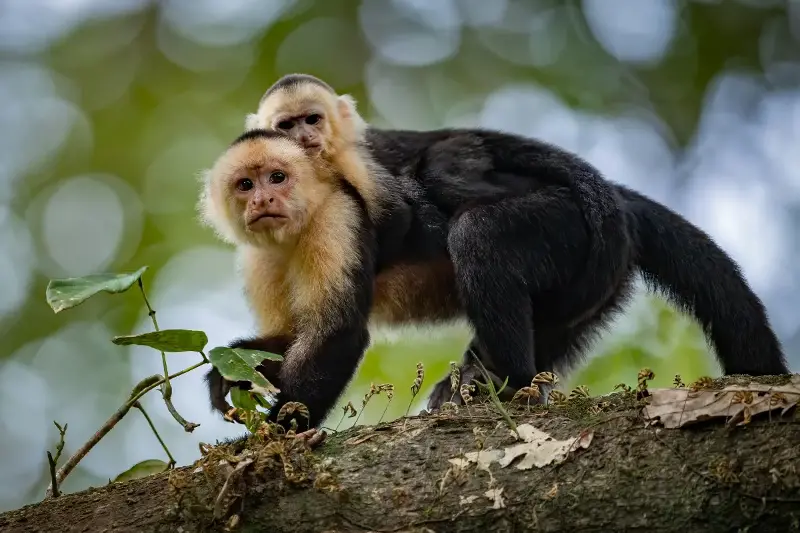
The fading forest and monkeys’ tomorrow
Beneath the fun facade lurks a subtler tale: numerous monkey species face peril.
Their primary dangers are:
- Habitat destruction – woods felled for farming, timber, and expansion
- Poaching and trafficking – for bushmeat, pets, or folk remedies
- Climate changes – altering food and water sources
Saving monkeys means more than preserving adorable visages. It involves shielding whole ecosystems—from the seeds they disperse to the hunters they nourish. When monkeys vanish, woodlands transform, impacting all that relies on them.
Insights monkeys offer into humanity
Observe a mother monkey holding her baby, a juvenile male probing his bravery at the group’s border, or a senior lounging in afternoon sunlight, and it strikes: we see ourselves.
Their realm brims with:
- Drive and fondness
- Dread and wonder
- Rivalry and care
Maybe that’s why we’re drawn in. Monkeys show we’re not detached from nature, but woven into its same extended, intricate narrative.
As woodlands hush and human hubs roar, one query persists: will we opt to be the aloof kin who ignored—or those who at last chose to heed?