


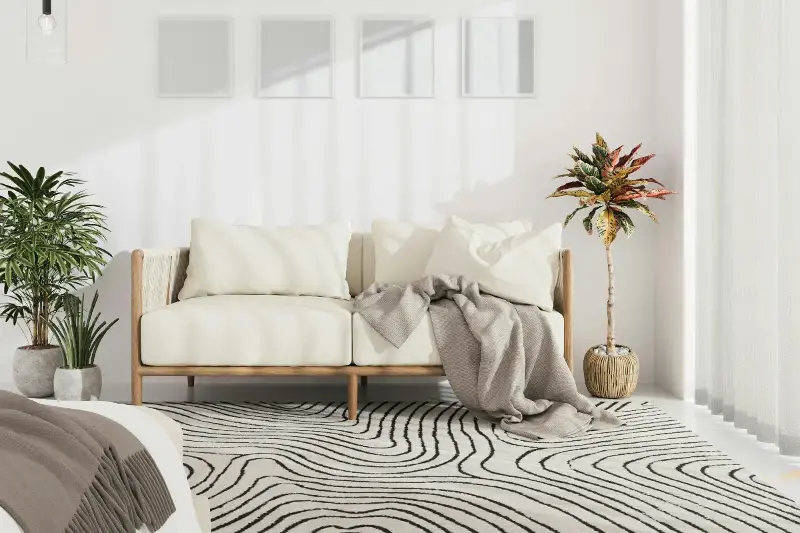
Every room tells a story—and often, it’s the rugs that fill in the details. While a statement rug can steal the show, true visual harmony is found in the artful pairing of multiple rugs. Whether you’re uniting an open-plan living area or adding rhythm to a long hallway, mastering rug pairing can be the difference between a space that feels scattered and one that sings with flow. Curious about how designers get it right? Let’s step onto the soft ground together.
From chaos to cohesion: The power of intentional pairing
Pairing rugs isn’t just about matching colors or patterns; it’s about creating an intentional dialogue between different spaces. To avoid a patchwork effect or visual disarray, consider the following key principles:
- Balance the visual weight: A bold, patterned rug in the living room pairs best with a subtler, solid piece in the adjoining dining space. Let one rug star, while the other plays a supporting role.
- Keep a unifying thread: Whether it’s material, tone, or shape, echo an element from one rug to another. For example, combine two wool rugs in varying hues or choose a similar geometric motif at different scales.
- Respect proportions: Rugs that are too similar in size compete rather than complement. Offset a large rectangular rug with a smaller round one for natural movement.
Harmonizing colors and patterns: Science meets intuition
Color has an undeniable psychological impact, setting the mood and energy flow for every room. Instead of rigidly matching colors, try these strategies:
- Select a dominant color for the first rug, then echo that color in a more understated way in the second rug through secondary colors or accents.
- Mix patterns confidently by staying within the same color family or using neutral bases to ground bolder prints.
- Think of each rug as a brushstroke in a painting: together, they should tell a cohesive color story—whether that’s serene and airy or warm and dramatic.
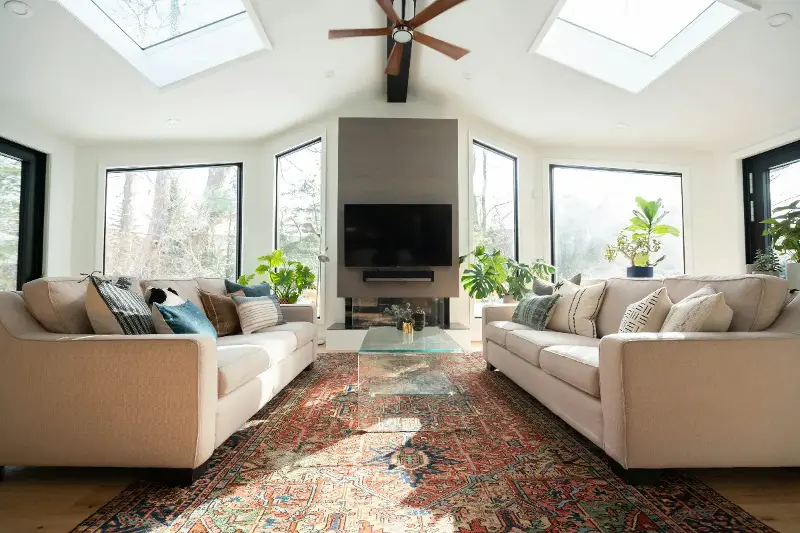
Spatial flow in open layouts: Sreating invisible boundaries
Open-concept homes are all about connectivity, but rugs play a quiet role in providing structure. To maintain flow while still defining areas:
- Use complementary rugs to subtly separate “zones” such as dining, lounging, and working spaces, making each area purposeful.
- Maintain at least one shared design element—like fringed edges or woven texture—for interconnectedness.
- Place rugs so edges don’t touch; a small gap of flooring helps each rug “breathe” and prevents visual chaos.
Mistakes to avoid: Rookie errors even the pros have made
While creativity is encouraged, a few pitfalls are best sidestepped:
- Choosing vastly different textures (think plush shag and thin kilim) in the same visual plane can jar the eye.
- Overlapping rugs of opposing patterns can create visual tension instead of harmony.
- Ignoring traffic patterns—consider how doors swing and where people walk to keep corners crisp and avoid wrinkles.
Finishing touches: Layering for luxurious depth
For those wanting a designer-worthy touch, experiment with layering: place a smaller patterned rug over a neutral jute or sisal base for depth and comfort. This adds interest without overwhelming the senses and allows seasonal updates with ease.
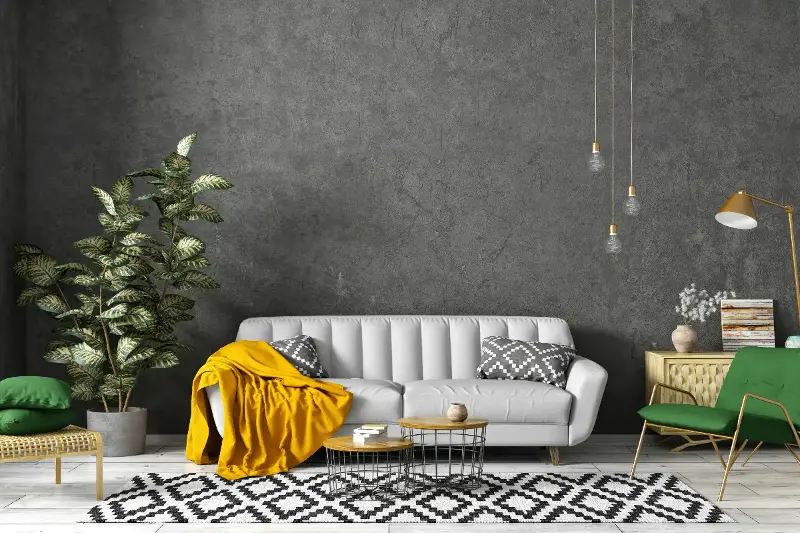
A space that tells your story
Rug pairing isn’t about following a rote formula—it’s about tuning into your space and reflecting your style. When textiles interact thoughtfully, they create a sense of movement and unity that transcends mere decoration. As you embark on your own rug-pairing adventure, ask yourself: What story do you want your rooms to tell, and how will the rugs at your feet lead you—and your guests—through this visual narrative? The floor is yours to explore.