


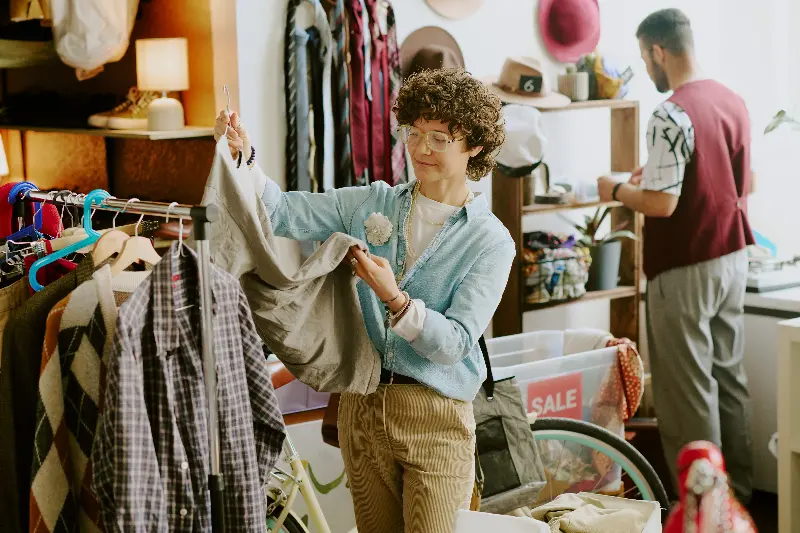
Once shrouded in stigma, thrift shopping today enjoys a coveted spot at the intersection of fashion-forward thinking and ethical living. Digging through racks of clothing and scouring shelves of pre-loved treasures is no longer reserved for the frugal or the quirky—thrift shopping is a lifestyle choice, a celebration of individuality, and a movement with a powerful impact on the world. Let’s unravel the intriguing secrets of ethical thrift shopping and how this simple act is driving change from your wardrobe to the wider world.
THE HIDDEN IMPACT OF FASHION WASTE
In the United States alone, over 11 million tons of textile waste clog up landfills every year. The majority of this waste comprises clothing and accessories—some barely worn, others never worn at all. The fast fashion industry, with its rapid turnover of trends, is a significant driver of this mountain of refuse.
For every new t-shirt bought on a whim, there’s another discarded, contributing to a cycle that impacts:
- Local Landfills: Overflowing with non-biodegradable synthetic fibers.
- Water Supplies: Polluted by toxic dyes and excessive consumption.
- Energy and Emissions: Carbon footprints expanded by global shipping and intensive manufacturing.
Thrift shopping offers an ingenious solution to this crisis. By giving clothes a second life, ethical thrifters disrupt the linear pattern of buy, use, discard, shifting it to a circular, restorative cycle.
FASHION THAT TELLS A STORY
There’s a certain magic in thrifted fashion. Unlike mass-produced items, every find comes with a hint of history and a whisper of mystery. Dressing in thrifted pieces allows you to create a personal style story that no one else can replicate.
This is the ethical thrifter's best-kept secret: the thrill of discovery. It’s about more than saving money; it’s about:
- Individuality: Finding one-of-a-kind pieces that stand out.
- Nostalgia: Connecting with the quality and aesthetics of past decades.
- Mindfulness: Cultivating a slow, intentional process that makes you more deliberate about what you buy.

DOLLARS THAT MAKE A DIFFERENCE
Many thrift stores, especially in the U.S., function as social enterprises. Organizations like Goodwill and The Salvation Army, alongside local independent shops, fund critical community programs including:
- Job training and placement services.
- Youth education initiatives.
- Housing and addiction recovery programs.
Every dollar spent at these locations is an investment in social equity. Furthermore, digital platforms like ThredUp, Depop, and Poshmark empower users to monetize their own closets, extending the lifespan of garments without the environmental cost of new manufacturing.
THE RISING INFLUENCE OF CONSCIOUS CONSUMERS
The most significant shift in thrift culture is the seismic rise of the conscious consumer. As awareness grows regarding the ethical price tags of new clothing, the appeal of vintage and pre-loved goods grows with it. Social media has taken this movement mainstream, with influencers sharing tips under tags like #SustainableStyle.
Thrift shopping is also an inclusive movement; it welcomes all genders, sizes, and budgets. It breaks down both financial and cultural barriers, proving that being "chic" does not require a high-end department store price tag.
STRATEGIES FOR ETHICAL THRIFTING
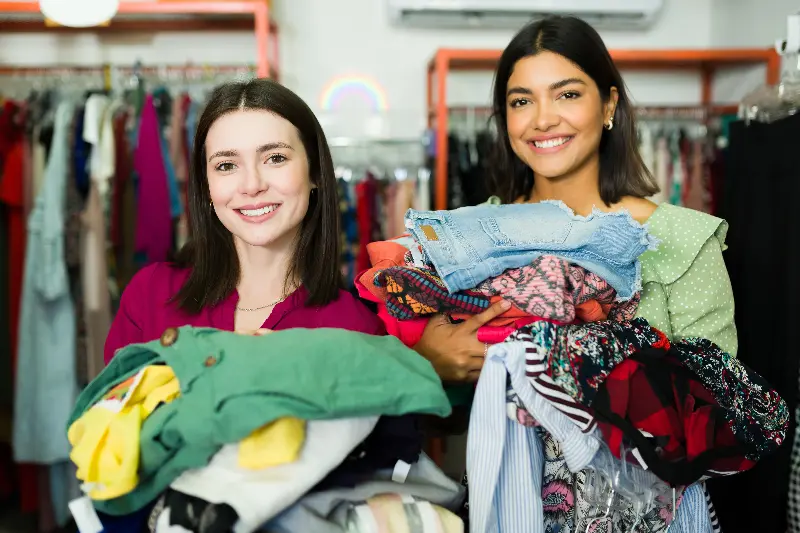
If you’re ready to shop with purpose, keep these "insider" tips in mind:
- Shop with Intention: Assess what you actually need to avoid over-accumulating.
- Quality Control: Carefully inspect seams, zippers, and buttons for durability.
- Support the Mission: Prioritize shops that reinvest profits into local charity work.
- Close the Loop: Share your finds, swap with friends, and always donate your own gently used items to keep the cycle moving.
At its core, ethical thrift shopping is about redefining value. Whether you’re after a one-of-a-kind outfit or eager to reduce your carbon footprint, every thrifting adventure is a step toward a more sustainable and equitable world.